NLP Services
Natural Language Processing (NLP) services
Turn text and speech into structured, usable data.
In one paragraph
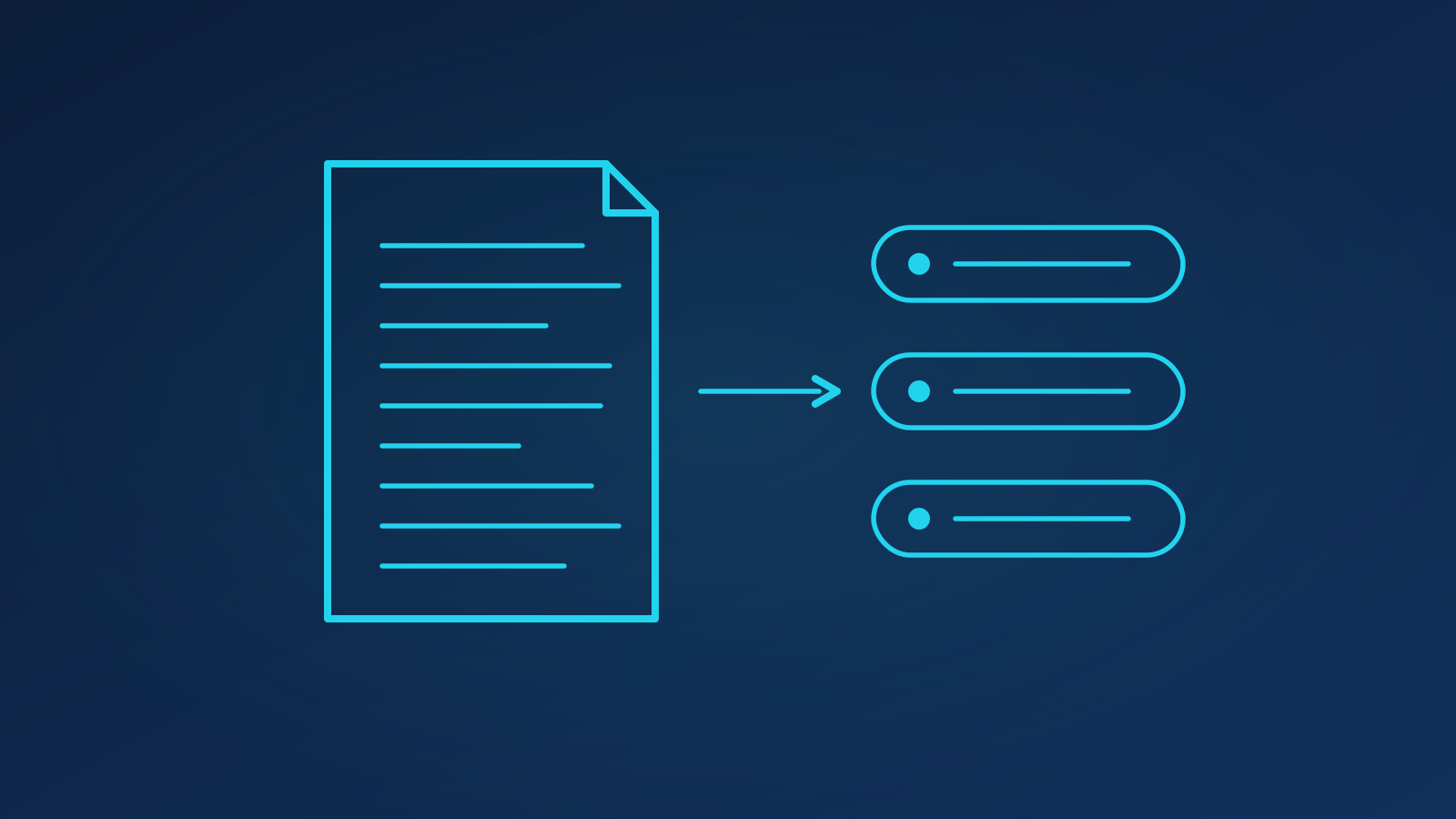
NLP services turn unstructured text and speech (tickets, reviews, emails, calls, documents) into structured data you can route, analyse and act on. We build sentiment analysis, entity recognition, classification, intent detection, topic modelling, speech-to-text and OCR-plus-NLP pipelines using transformer models and LLMs, for teams that need insight and automation at a scale people cannot read.
Why it pays off
- Structured insight from unstructured text and speech
- Faster routing and response with fewer errors
- Trends spotted early across thousands of conversations
- Models evaluated on your data, not generic benchmarks
- Deployed as APIs or batch jobs that fit your stack
What's included
NLP Services: everything in this service
Sentiment analysis
Aspect-level sentiment over reviews, tickets, surveys and social data with dashboards and alerts.
Named entity recognition
Extract people, organisations, products, amounts, dates and custom entities from documents and messages.
Text classification
Route and label emails, tickets and content by category, urgency or risk with measured accuracy.
Keyword & phrase extraction
Surface key terms and phrases from large text collections for tagging, search and analysis.
Topic modelling
Discover and track themes across feedback, calls and support data over time.
Intent detection
Understand what a customer wants from a message or utterance to route or automate the response.
Spam & abuse detection
Filter spam, fraud attempts and abusive content in forms, chats and marketplaces.
Speech-to-text
Accurate transcription of calls, meetings and media with speaker labels, timestamps and domain vocabulary.
Text-to-speech
Natural voices for IVR, accessibility, content and assistants, in multiple languages.
OCR + NLP pipelines
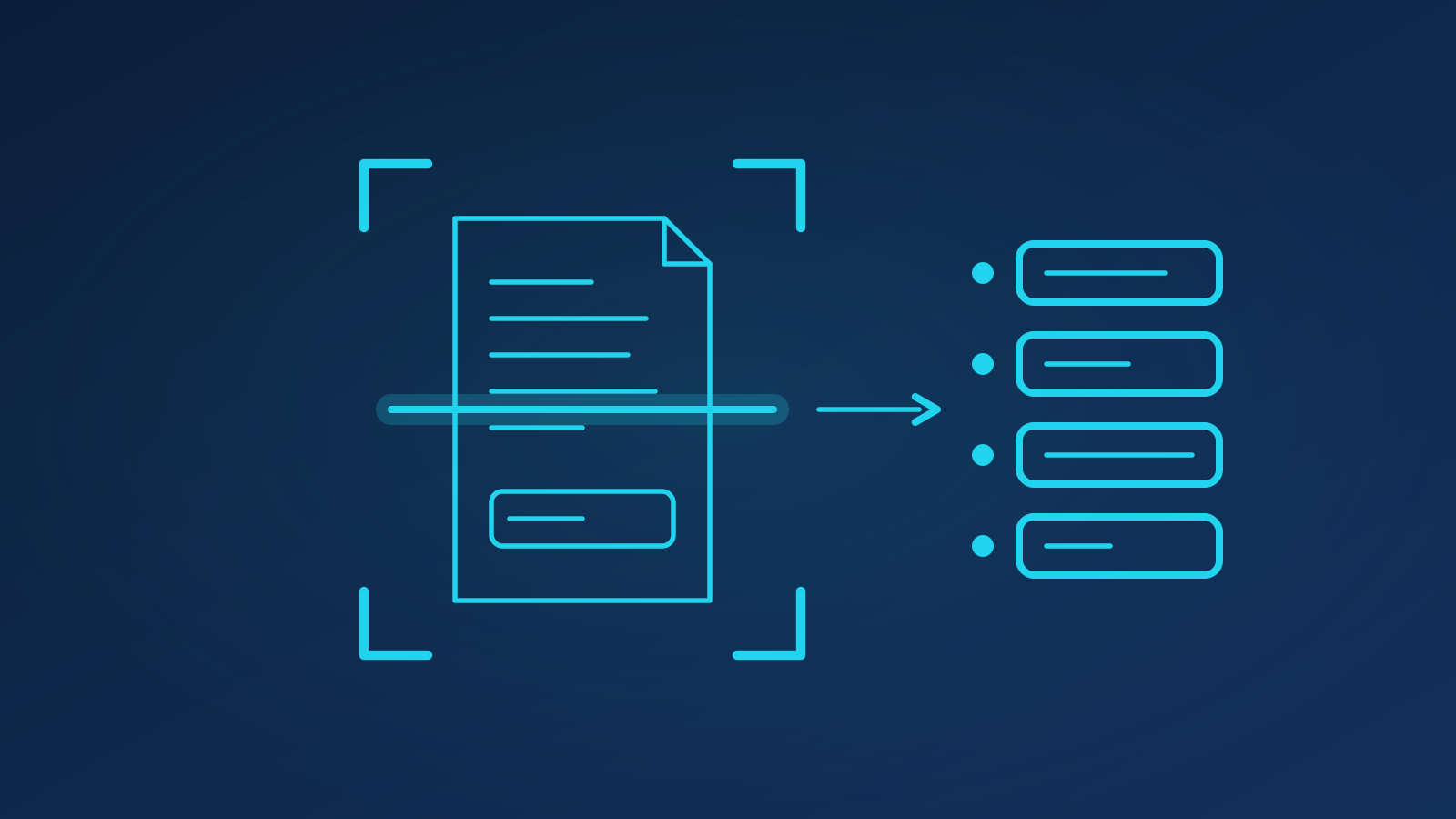
Read scanned documents and images, then extract and classify the content into structured records.
Language detection & routing
Detect language and dialect to route conversations and content to the right model or team.
Semantic analysis & similarity
Embeddings-based similarity, deduplication and clustering for content, tickets and records.
Document classification
Sort incoming documents (invoices, contracts, IDs, claims) into types automatically for downstream processing.
Use cases
Where it creates value
Voice-of-customer analytics
Mine reviews, surveys and tickets for themes and sentiment trends that drive product and service decisions.
Ticket routing and prioritisation
Classify incoming requests by intent and urgency so they reach the right queue immediately.
Call transcription and QA
Transcribe every call and score it for compliance, sentiment and outcomes.
Document intake
Read scans and PDFs, classify them and extract fields into your systems.
Content moderation
Detect spam, abuse and policy violations at scale with human review of edge cases.
How we deliver
How we deliver nlp services
- 01
Data and label review
Sample your text or audio, define categories and entities, and agree what good output looks like.
- 02
Model selection
Compare LLM prompting, fine-tuned transformers and classical methods on accuracy, cost and latency.
- 03
Pipeline build
Ingestion, pre-processing, inference and post-processing as an API or scheduled job with monitoring.
- 04
Evaluation and calibration
Held-out test sets, confusion analysis and confidence thresholds for human review.
- 05
Deploy and monitor
Production release with drift monitoring and a retraining or re-prompting plan.
Related work
Outcomes, not demos.



Frequently asked
NLP Services: questions we get
Often not for prototypes: an LLM prompt gets you a working classifier in an afternoon. At scale, though, a small fine-tuned model is cheaper, faster and more consistent for narrow tasks like routing or entity extraction. We usually start with an LLM to label data and validate the idea, then decide whether to distil.
Less than most teams expect. With LLM-assisted labelling and transfer learning, a few hundred well-chosen examples per category is often enough for a first model, and we improve from production feedback. If labels do not exist, we help design a labelling process your team can sustain. Active learning, where the model picks the most informative examples to label next, keeps the effort focused where it changes results.
Yes. Multilingual transformer models and modern speech models cover most major languages, and we test accuracy per language on your data. Where a language is under-served we combine translation, language-specific models or targeted fine-tuning. Right-to-left scripts, transliterated text such as Roman Urdu, and code-switching are common in our clients’ data and are tested explicitly.
Modern models perform very well on clear audio and degrade with noise, crosstalk and heavy accents. We measure word error rate on a sample of your recordings, add domain vocabulary and choose the model accordingly, so you get a real number rather than a vendor claim. For telephony audio, which is compressed and narrowband, we test the specific codec you use because it changes results noticeably.
As a REST API your systems call in real time, as batch jobs that write to your warehouse, or directly into dashboards. Most projects include a monitoring view so you can see volumes, categories and confidence over time. Predictions are stored with the model version that produced them, so results can be audited and compared when the model is updated.
Blog
Further reading
Other services
Related services
Ready to chart your AI course?
A free 30-minute consultation: we listen, ask hard questions and tell you honestly where AI will and won't help.