MLOps & AI Infrastructure
MLOps & AI Infrastructure services
Deploy, monitor, scale and secure AI systems, so they keep working after launch.
In one paragraph
MLOps and AI infrastructure services take models and LLM applications from a notebook or prototype to reliable production: deployment, GPU infrastructure, CI/CD for models and prompts, monitoring and observability, inference optimisation, Kubernetes, cost control, security and governance. For engineering and data teams that need AI systems to be as dependable as the rest of their platform.
Why it pays off
- AI systems that stay accurate, fast and available
- Lower infrastructure and API costs
- Faster, safer releases of models and prompts
- Security and governance designed in
- Clear ownership and runbooks for your team
What's included
MLOps & AI Infrastructure: everything in this service
Model deployment
Serve ML and LLM models as scalable APIs or batch jobs with versioning, rollbacks and health checks.
GPU infrastructure
Design and run GPU clusters on cloud or on-prem, right-sized, scheduled and cost-tracked.
AI monitoring & observability
Tracing, quality metrics, drift, latency and cost dashboards for models, prompts and agents.
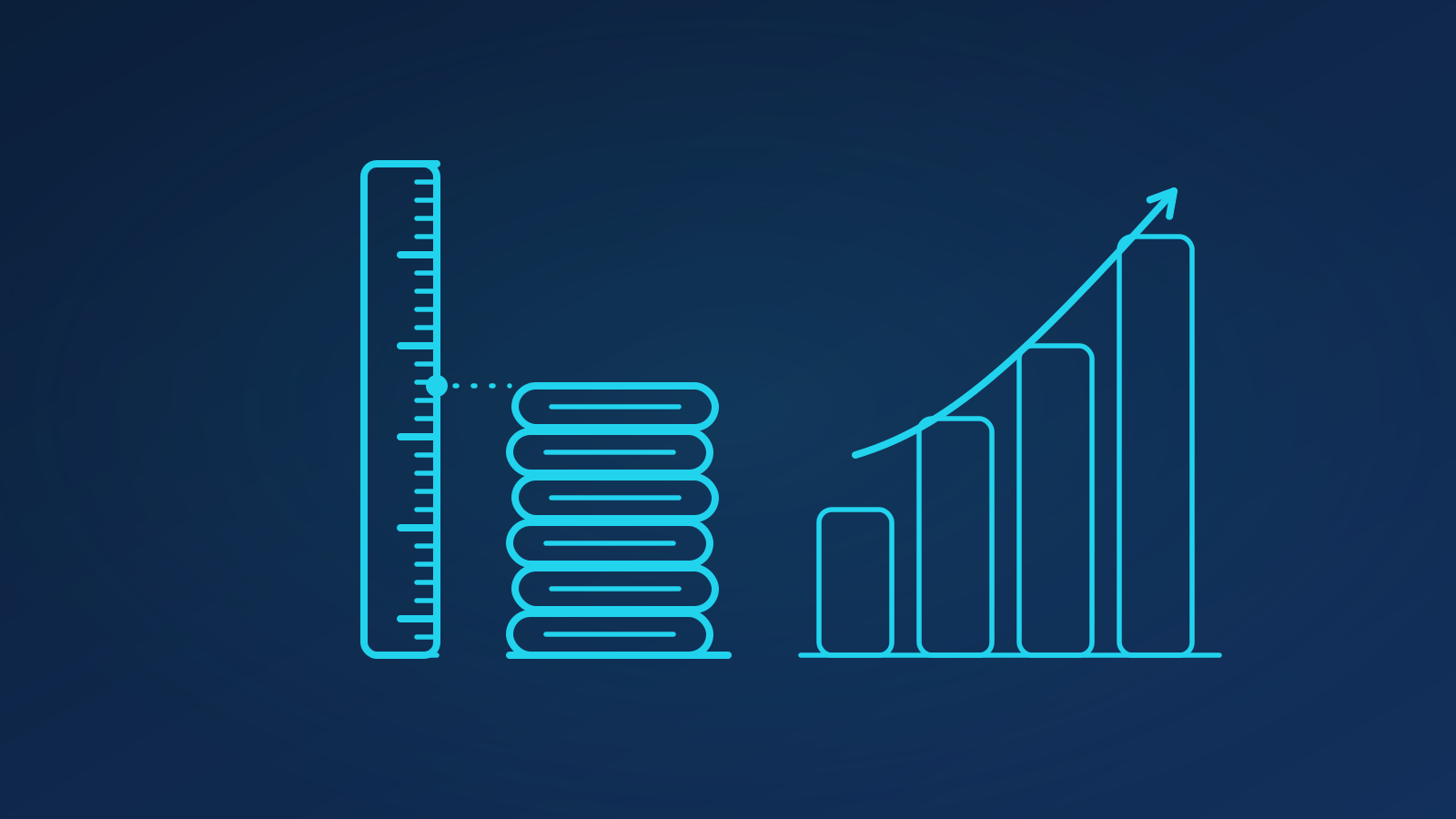
Scaling AI systems
Autoscaling, queues, caching and load management for spiky and high-volume AI workloads.
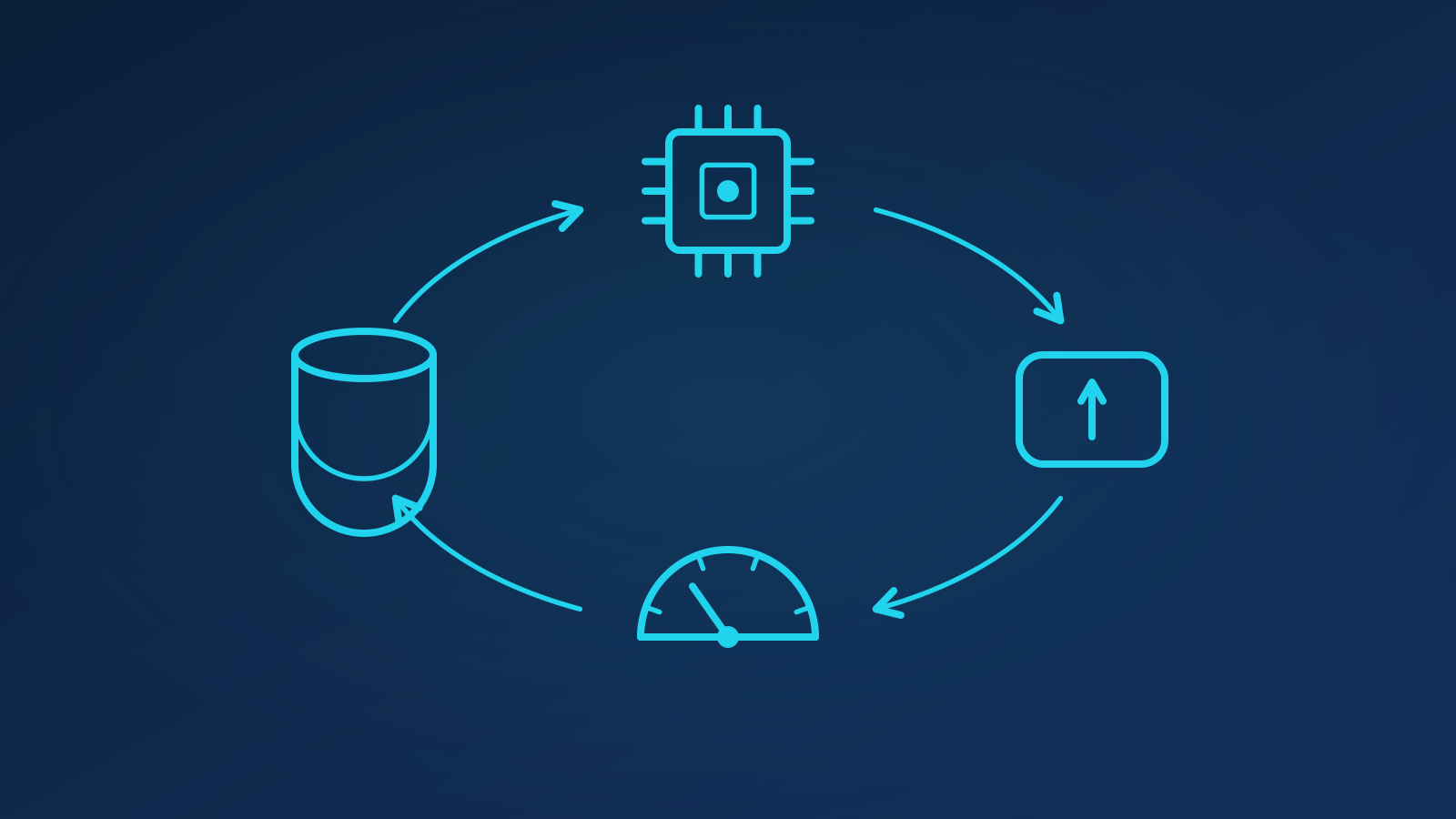
AI CI/CD
Pipelines that test, evaluate and promote models and prompts the way you ship code.
Kubernetes for AI
GPU-aware Kubernetes platforms with serving frameworks, autoscaling and multi-tenancy.
AI cloud cost optimisation
Cut spend with spot GPUs, right-sizing, batching, caching and token-usage governance.
Inference optimisation
Quantisation, compilation, batching and caching to lower latency and cost per request.
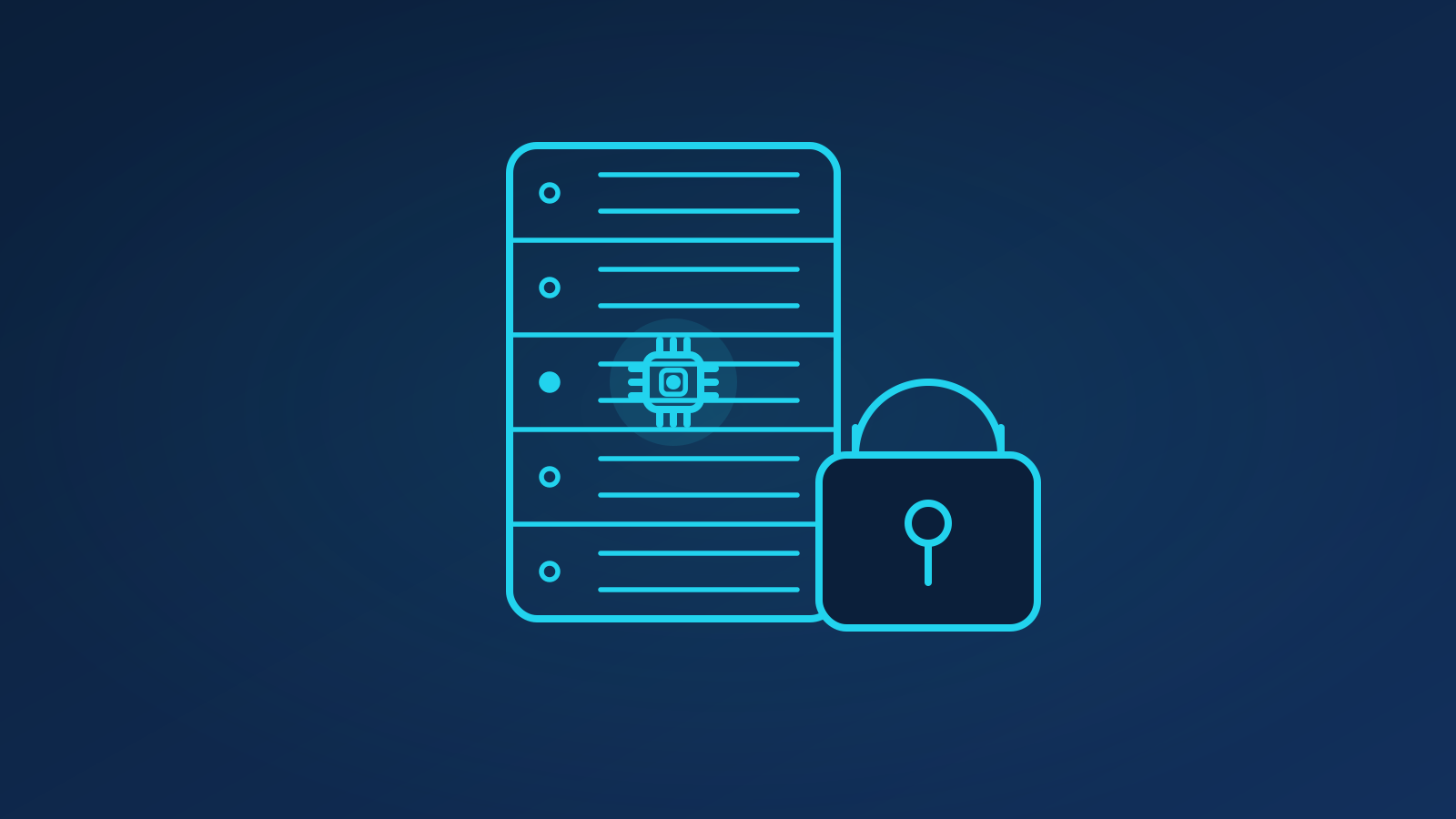
AI security
Prompt-injection defences, secrets, network isolation, data-leak prevention and red-teaming.
AI governance
Model registries, approvals, audit trails, documentation and policy controls for regulated environments.
Feature stores & data versioning
Reproducible features and datasets so training and serving agree and experiments can be rerun.
LLM & agent observability
Trace every prompt, tool call and token; evaluate outputs continuously; alert on regressions.
Use cases
Where it creates value
From notebook to production
Package, deploy and monitor a model your data team built so it serves real traffic reliably.
Keep LLM apps healthy
See every prompt, cost and failure; catch quality regressions before users do.
Control GPU and token spend
Cut infrastructure and API costs without hurting quality or latency.
Pass security and compliance review
Governance, audit trails and controls that satisfy internal and regulatory scrutiny.
Ship models like software
CI/CD that evaluates and promotes models and prompts automatically.
How we deliver
How we deliver mlops & ai infrastructure
- 01
Platform assessment
Review current models, pipelines, infrastructure, costs and risks; identify what breaks first at scale.
- 02
Target architecture
Serving, observability, CI/CD, security and cost controls designed for your cloud and team.
- 03
Implementation
Build the platform incrementally, migrating existing models and apps with zero-downtime cutovers.
- 04
Runbooks and handover
Dashboards, alerts, documentation and training so your engineers operate it confidently.
Related work
Outcomes, not demos.


Frequently asked
MLOps & AI Infrastructure: questions we get
We package it with its dependencies and preprocessing, wrap it in a versioned API or batch job, add tests and monitoring, and deploy it through a pipeline so the next version ships the same way. Most single-model deployments take two to four weeks including monitoring.
Latency, error rates and cost per request as with any service, plus AI-specific signals: output quality against an evaluation set, hallucination and refusal rates, prompt-injection attempts, drift in inputs, and per-tenant token usage. Traces of prompts and tool calls make debugging possible.
It varies, but common wins are large: caching repeated prompts, routing simple requests to smaller models, batching offline work, spot or reserved GPUs and right-sizing instances. We baseline spend first and report savings against it rather than promising a percentage.
Yes. We build on AWS, Azure and GCP with the tools you already run (Kubernetes, Terraform, GitHub Actions, MLflow, SageMaker, Vertex) and only introduce new components when there is a clear gap. Where you have no platform yet, we recommend a small, standard stack (Kubernetes or managed serving, MLflow, an observability tool) that your team can hire for.
Least-privilege tools, input and output filtering, separating instructions from untrusted content, human approval for sensitive actions, and regular red-teaming. No single control is sufficient, so we layer them and log everything. We test defences with realistic attack prompts as part of release, and re-test whenever tools or models change, since new capabilities open new paths.
A registry of models and prompts with owners and versions, documented evaluations, approval steps for production changes, audit logs of decisions and data use, and policies for acceptable use. We keep it lightweight enough that teams actually follow it. The registry doubles as documentation, so when an auditor or customer asks how a model was built and tested, the answer already exists.
Ready to chart your AI course?
A free 30-minute consultation: we listen, ask hard questions and tell you honestly where AI will and won't help.