NLP · Analytics
NLP for business: turning feedback, tickets and documents into decisions
A practical guide to using natural-language processing on the unstructured text your company already has.
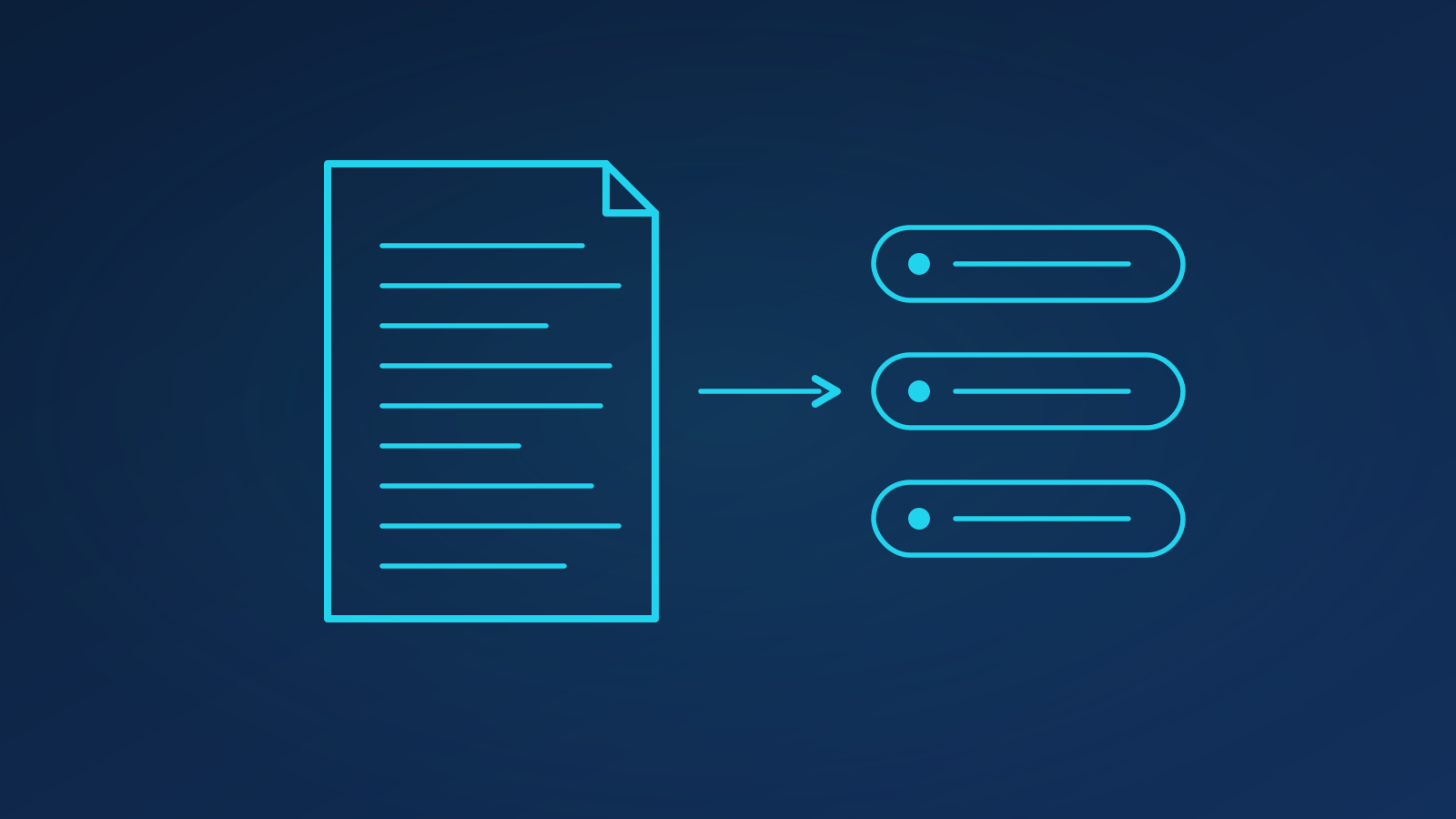
Roughly four-fifths of business data is unstructured text: reviews, tickets, emails, contracts, call notes. Almost none of it is analysed systematically. Modern NLP makes that cheap.
Start with a decision, not a model
The most useful projects begin with a question someone will act on: Which product issues are growing fastest? Which contracts contain a clause we've stopped accepting? Which customers sound like they're about to leave? Pick one; the pipeline follows.
The four workhorse tasks
- Classification: assign topics, sentiment, urgency or intent. Fine-tuned small transformers are fast, cheap and accurate for stable label sets.
- Extraction: pull entities, dates, amounts, clauses. LLMs with structured output are excellent here, especially for messy documents.
- Clustering: discover topics you didn't know to look for. Embeddings + clustering + LLM-generated labels is a strong default.
- Summarisation: condense long threads or reports into what a human needs to know.
A reference pipeline
sources → ingestion → cleaning → model(s) → warehouse → dashboard / alerts
Keep raw text alongside model outputs so you can re-run when models improve. Store confidence scores; they let you route low-confidence items to people.
Pitfalls we see repeatedly
- Sentiment without context. "Fast" is positive for delivery, negative for battery drain. Topic-aware sentiment is worth the effort.
- Label drift. Business categories change; schedule a quarterly review of the taxonomy.
- Analysis nobody reads. Deliver a weekly one-page report with movers and quotes, not a dashboard with forty charts.
Text is the largest under-used asset most companies own. The tooling is mature; the differentiator is asking a sharp question and closing the loop with the team that acts on the answer.

Written by
William Ali · Founder & AI Specialist
Leads strategy and solution design. Has shipped conversational AI, agent and analytics systems for clients across e-commerce, SaaS, healthcare and finance since founding AIYatch in 2019.
About the team →
Ready to chart your AI course?
A free 30-minute consultation: we listen, ask hard questions and tell you honestly where AI will and won't help.