Conversational AI · LLMs · Product
AI chatbots for customer support: what actually works
Beyond the demo: how to design a support assistant that resolves issues, hands over gracefully and earns its keep.
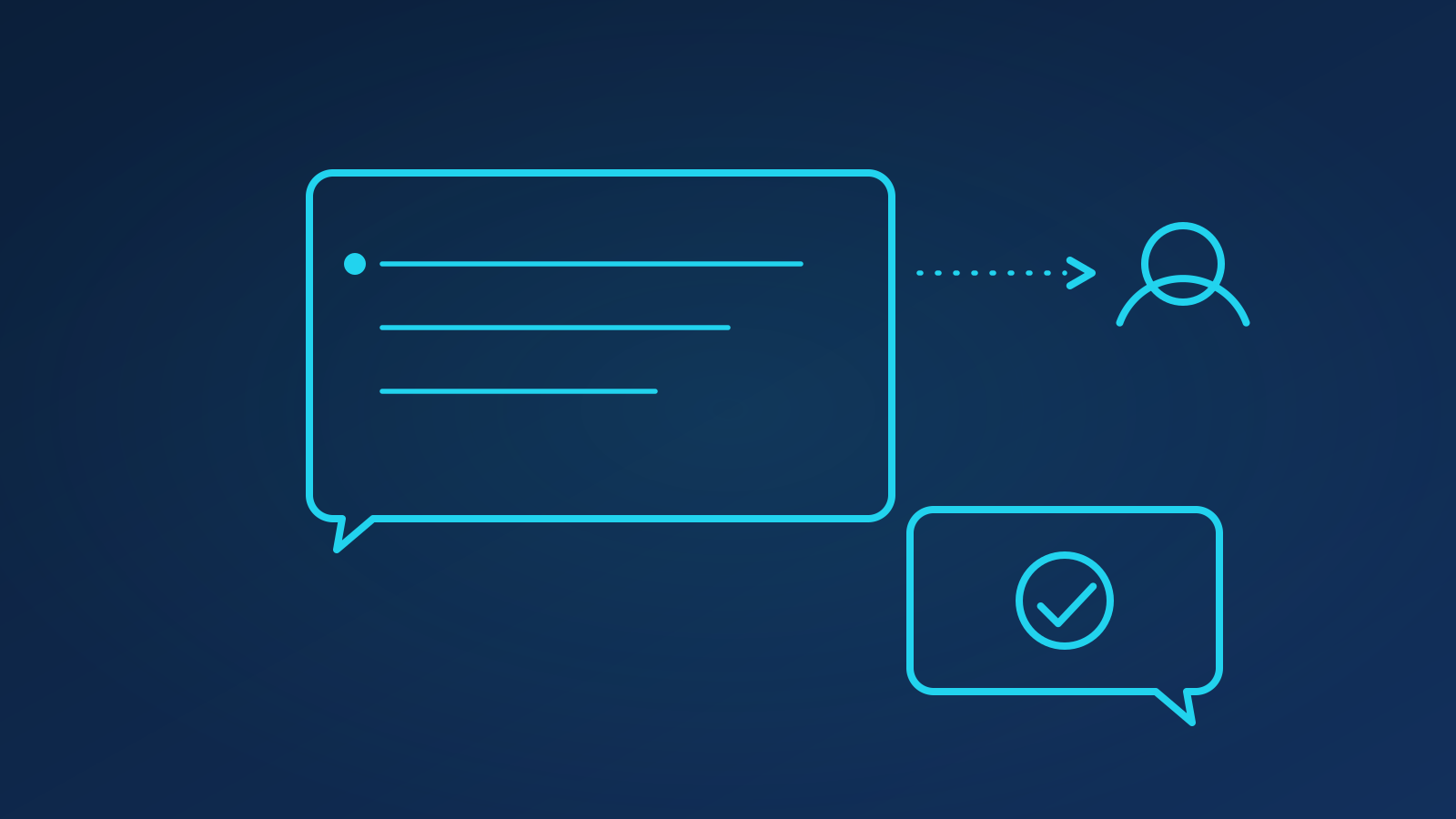
Most support bots fail for one of two reasons: they answer confidently from nothing, or they answer nothing at all. The teams that get real value treat the assistant as a system with three parts (knowledge, actions and hand-off) and measure it honestly.
1. Ground it in what you actually know
A large language model on its own is a very persuasive guesser. Retrieval-augmented generation (RAG) fixes that by fetching the relevant help-centre article, policy or order record first and asking the model to answer from it. Two rules we follow:
- Cite or decline. If nothing relevant is retrieved above a confidence threshold, the assistant says so and escalates. Silence beats hallucination.
- Keep the index fresh. Nightly re-ingestion of your knowledge base is not optional; stale answers erode trust faster than no answers.
2. Give it hands, carefully
The difference between "your order usually ships in two days" and "your order shipped yesterday, here's the tracking link" is a tool call. Connect the assistant to read-only APIs first (orders, subscriptions, tickets), then add write actions behind confirmation steps: start a return, reschedule a delivery, open a ticket.
3. Design the hand-off as a feature
Every conversation the bot cannot resolve should reach a human with:
- the full transcript,
- the retrieved sources,
- a suggested reply the agent can edit and send.
Agent-assist alone often saves as much time as full automation, with none of the risk.
4. Measure resolution, not deflection
"Deflection" counts customers who gave up. Track instead:
| Metric | Why it matters |
|---|---|
| Resolution rate | Conversations that ended without a human and without a re-contact within 7 days |
| Hand-off quality | Time saved per escalated ticket |
| CSAT on bot-handled conversations | Compared with human-handled, not with the old bot |
| Cost per conversation | Tokens + infrastructure ÷ resolved conversations |
5. Ship an evaluation set
Collect 200–500 real questions with approved answers. Score every release against it. When a prompt tweak or model upgrade lands, you'll know within minutes whether quality moved.
Done this way, we routinely see assistants resolve well over half of first-line contacts within a quarter and, more importantly, support teams that trust the system enough to keep expanding it.

Written by
William Ali · Founder & AI Specialist
Leads strategy and solution design. Has shipped conversational AI, agent and analytics systems for clients across e-commerce, SaaS, healthcare and finance since founding AIYatch in 2019.
About the team →
Ready to chart your AI course?
A free 30-minute consultation: we listen, ask hard questions and tell you honestly where AI will and won't help.